
Football Fans Overwhelmed as 26 Matches were spread Across 12 Platforms in One Day


The international break presents a significant challenge for all media, particularly television, forcing them to dig deep to find any worthwhile football content.
Interest in international matches has waned considerably. While it was once considered the ultimate expression of the sport, it now often feels like an unwelcome intrusion.
A prime example is Amazon Prime’s decision to charge viewers for international games like Portugal versus Armenia.
A confident provider would likely offer such a match for free, allowing potential customers to experience the quality and be persuaded to pay for higher-profile events.
Instead, they persist with this strategy, seemingly oblivious to the changing landscape, broadcasting in an antiquated style and attempting to profit from a product that lacks widespread appeal.
Perhaps they are bound by contractual obligations, even if they recognise the error. Regardless, this fragmented and disjointed approach to football broadcasting is surely nearing itsend.
Trending
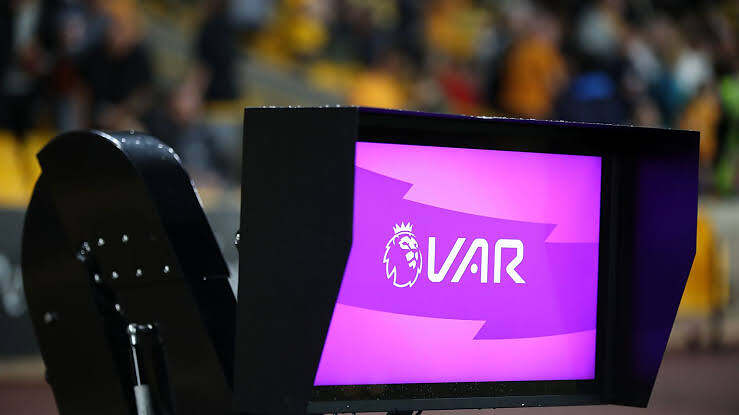
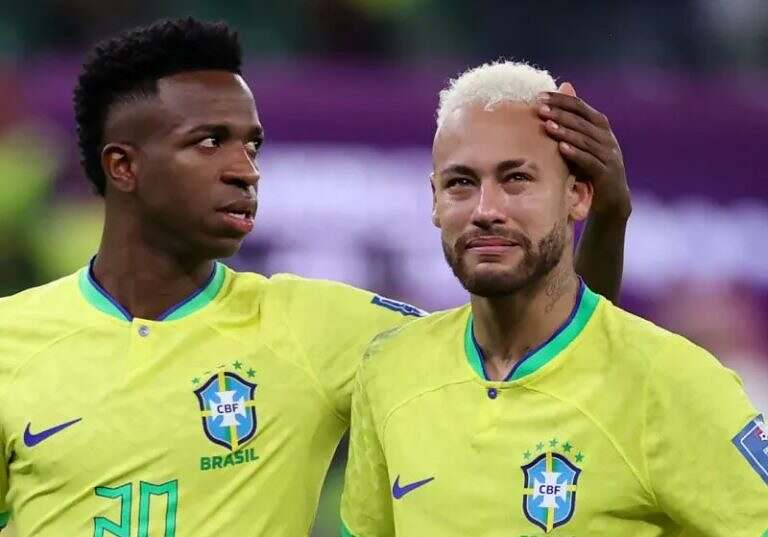
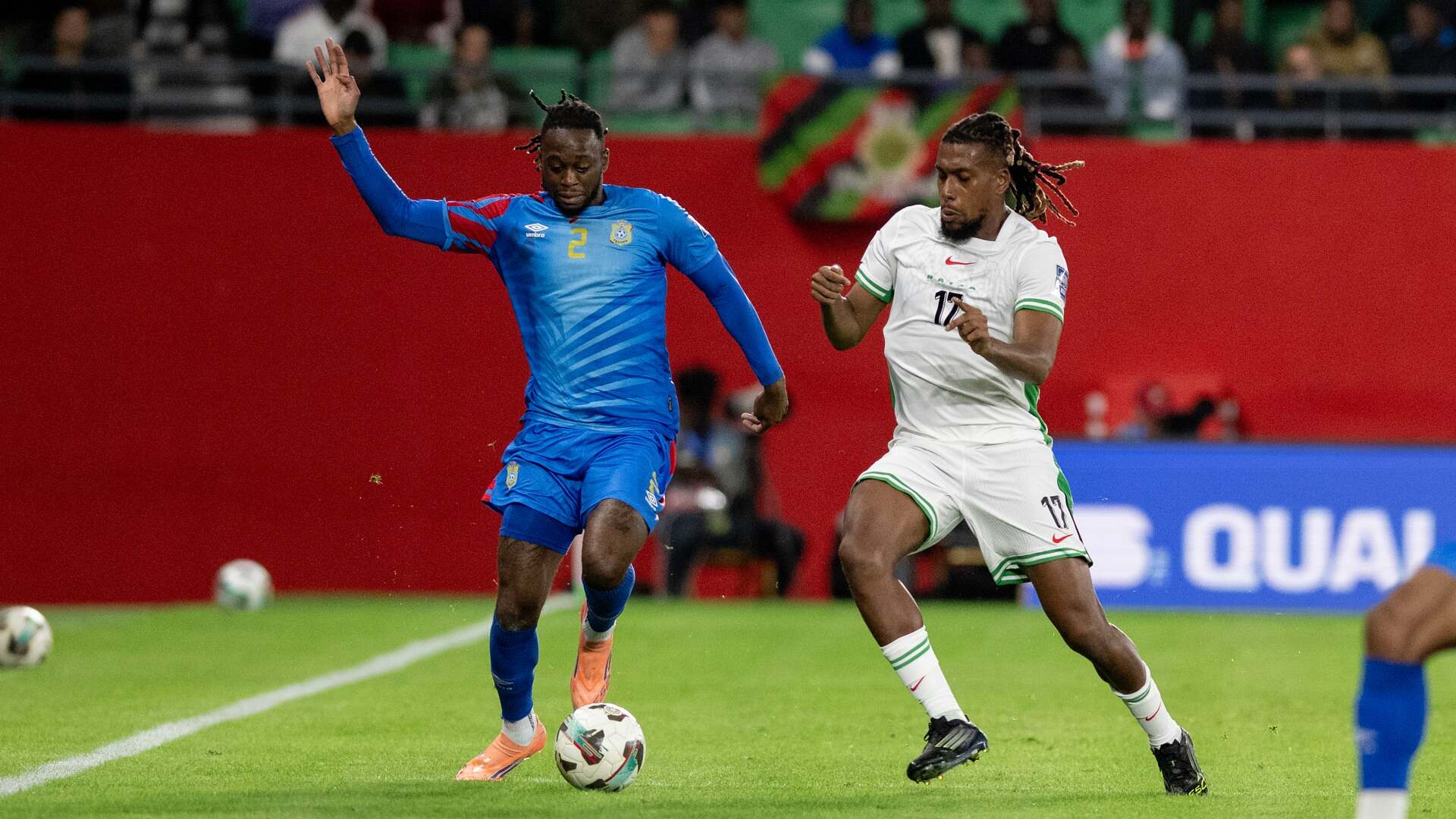
The Nigeria versus Congo match, available without charge on FIFA+, proved to be a highly entertaining spectacle, complete with some remarkably inept penalty attempts. Congo ultimately triumphed 4-3 in the shootout.
For viewers without a vested interest, it was a good way to spend a Sunday evening without incurring any costs.
Meanwhile, DAZN opted to offer Atlético Madrid Women against Levante Badalona as a pay-per-view event this past weekend.
While I regularly follow the Women’s Super League and the Champions League, I have boundaries regarding what I’m willing to pay to watch.
It raises questions about the rationale behind even broadcasting such matches in the UK.
Surely, even in Spain, offering the game for free on terrestrial television would generate superior income through increased viewership and advertising revenue.
On that particular Sunday, a substantial number of matches, twenty-six in total, were streamed across a dozen different platforms. Only the BBC, ITV, WSL YouTube channel, and FIFA+ provided complimentary access.
It’s likely that the only audience of any significant size would have been those tuned into ITV for the England game.
It frequently appears that matches are broadcast simply because technological capability allows it.
There’s likely no profit to be made showing Velez Sarsfield against River Plate in the UK. I had a desire to watch Italy versus Norway, but there was no way I’d pay for it on Prime, who even audaciously attempted to charge a fee.
It’s overwhelming. I’m a passionate follower of global soccer and fortunate enough to subscribe to multiple platforms like Sky, TNT, and Prime.
You’d think broadcasters would be eager to attract me, but I’m definitely not going to pay to watch some obscure game on a random streaming service.
I could potentially be targeted by advertising, though I’m a niche consumer, yet they seem to be overlooking me.

I’m not personally bothered, but I wonder why these channels are disregarding someone so invested in football.
While traditional advertising might be struggling, it’s their only hope for income when they insist on paying for games few viewers are willing to pay for.
The entire industry appears unhealthy. It seems to be cannibalizing itself in a desperate attempt to survive, and the on-screen personalities are clinging to this worn-out, flashy, and ultimately unsuccessful system for dear life.
It’s absurd to think that simply showing more and more soccer will solve anything. It’s clearly not working. Even if the goal is to convert soccer fans into viewers of other content, the strategy is flawed. The cost is too high, and the audience too diverse for a product that, for many, sparks only mild interest and isn’t worth paying for.
The idea that attracting soccer subscribers will boost overall viewership is outdated. There’s too much competition for viewers’ subscriptions and limited time to watch. It’s not just stretching resources too thin; there are barely any resources to stretch in the first place.
The solution? Stop this ridiculous obsession with showing everything. The cash cow is now unproductive. Cease paying ever-increasing rights fees that can’t be justified, even by spreading the cost across the entire business.
If advertising is still viable, offer the content for free and capitalize on the larger audiences. Alternatively, charge a premium for an ad-free experience.
What do they imagine will happen to soccer without media funding if it were valued realistically? The media has significant leverage but doesn’t seem to realize it.
The entire financial structure of the sport depends on media money, so exploit that reliance instead of passively accepting it. Life will continue without obscure soccer matches being televised.
Wait and see how long it takes for soccer to complain about the lack of revenue and potentially have to rely on ticket sales.
Then, negotiate a low, single subscription for everything domestically and another for international viewers. What can they do? The media controls their finances. Start acting like it instead of being so subservient and timid.
Some might try to create their own deals. Major clubs have long been unhappy with receiving roughly the same amount of money as less popular teams. Let them produce and broadcast their own matches if they insist.
Good luck attracting an audience that generates anything close to the revenue they’re accustomed to. Don’t push viewers’ loyalty too far; we’ve been exploited for too long for positive outcomes.