
Ruben Amorim First Year at Man United: Why the Club Were Right to Stay Patient — and Why He Now Faces the Pressure to Repay Sir Jim Ratcliffe’s Faith

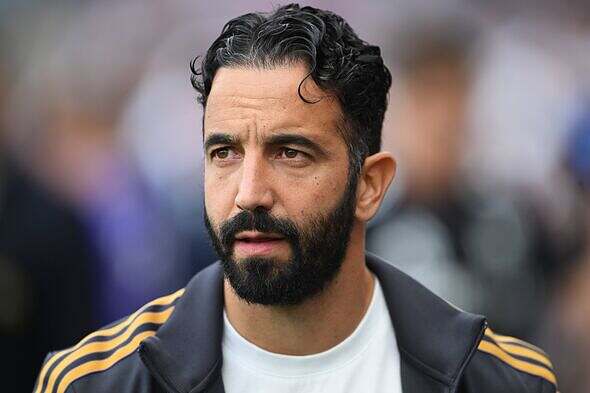
As Manchester United prepares to face Everton this Monday, it marks a full year since Ruben Amorim’s inaugural match as manager against Ipswich Town.
The past twelve months have been anything but uneventful, characterized by outbursts of frustration, strained relationships with members of the squad, and a considerable number of losses on the pitch. Indeed, the period has been turbulent.
Many observers, and perhaps Amorim himself, questioned whether he would even manage to see out a complete year in the role.
Despite a difficult start, Amorim remains at the helm, feeling considerably more prepared to triumph than upon his initial arrival.
There are emerging indications of progress, albeit at a gradual pace. Initially, when Amorim took over, United languished in 14th place, accumulating a mere 11 points from nine encounters, suffering four defeats and exhibiting a negative goal difference of -3.
The season culminated in an even more disastrous finish, with the team plummeting to 15th, amassing just 42 points and a dismal goal difference of -10. They endured 18 losses, with 14 occurring under Amorim’s leadership.
Trending
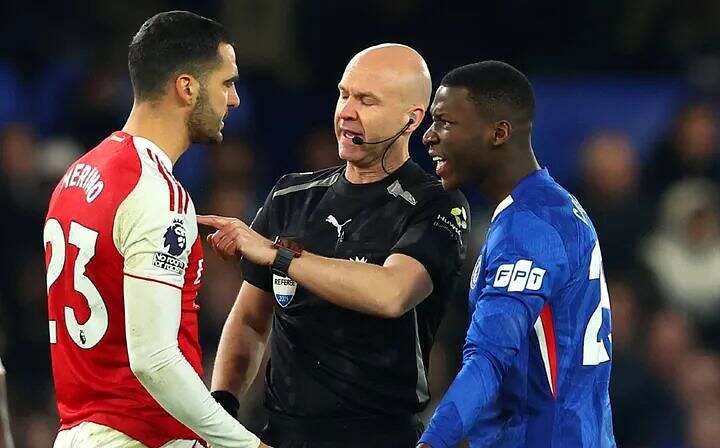
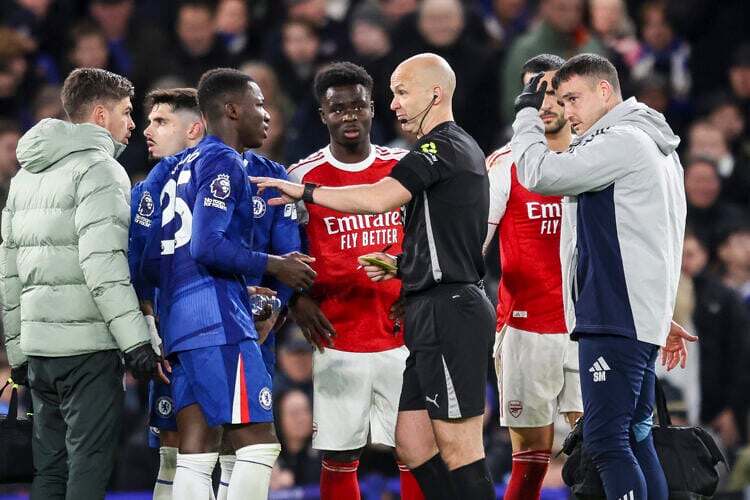
Currently, the situation is more promising, with United positioned higher in the standings, boasting 18 points after 11 fixtures and a positive goal difference of plus one.
They have succumbed to defeat in three games, but are currently riding a five-match unbeaten streak, their lengthiest stretch without a league defeat since February 2024.
According to Opta’s data, United’s 12-game rolling points-per-game average plummeted to a nadir of 0.83 on two occasions during Amorim’s initial season, marking the lowest point since Sir Alex Ferguson’s departure in 2013.
Furthermore, early this campaign, Amorim seemingly surpassed this low, witnessing the average decline to a mere 0.75, nearly half the figure recorded when Erik ten Hag was dismissed.
However, their rolling points-per-game average has now surged to 1.75, reaching its zenith since December 2023.
The Stats That Matter
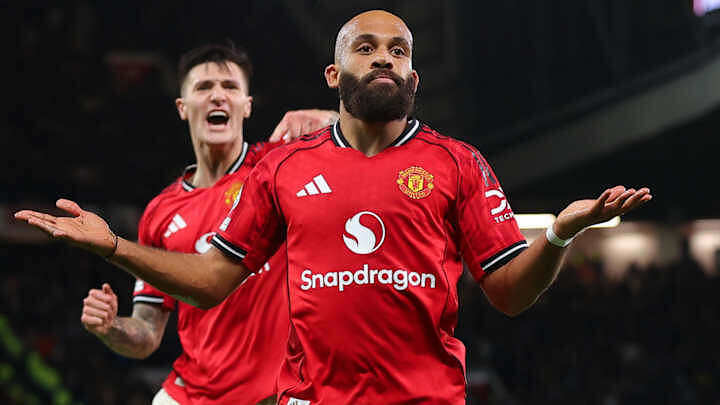
On-field performances have also shown rejuvenation. According to Opta, United’s non-penalty expected goals (xG) per game have risen by a substantive 20 percent, escalating from 1.24 under Amorim’s guidance last season to 1.48 this term.
Consequently, United are demonstrating enhanced defensive resilience and offensive potency.
These advancements validate the club’s leadership’s resolution, particularly co-owner Sir Jim Ratcliffe’s, to maintain their belief in their manager and resist succumbing to the clamor for his dismissal during the nadir of the previous season.
As well as in September following the setback at Brentford, when prominent pundits unequivocally asserted that a change was imperative.
Now, Amorim must capitalize on this burgeoning momentum and commence repaying Ratcliffe’s faith by delivering conclusive, not merely incremental.
Evidence that the team is undergoing significant improvements and that he possesses the ability to restore them to their rightful place at the apex of the sport.
Who Left, Who Stayed and Why Amorim Was So Firm
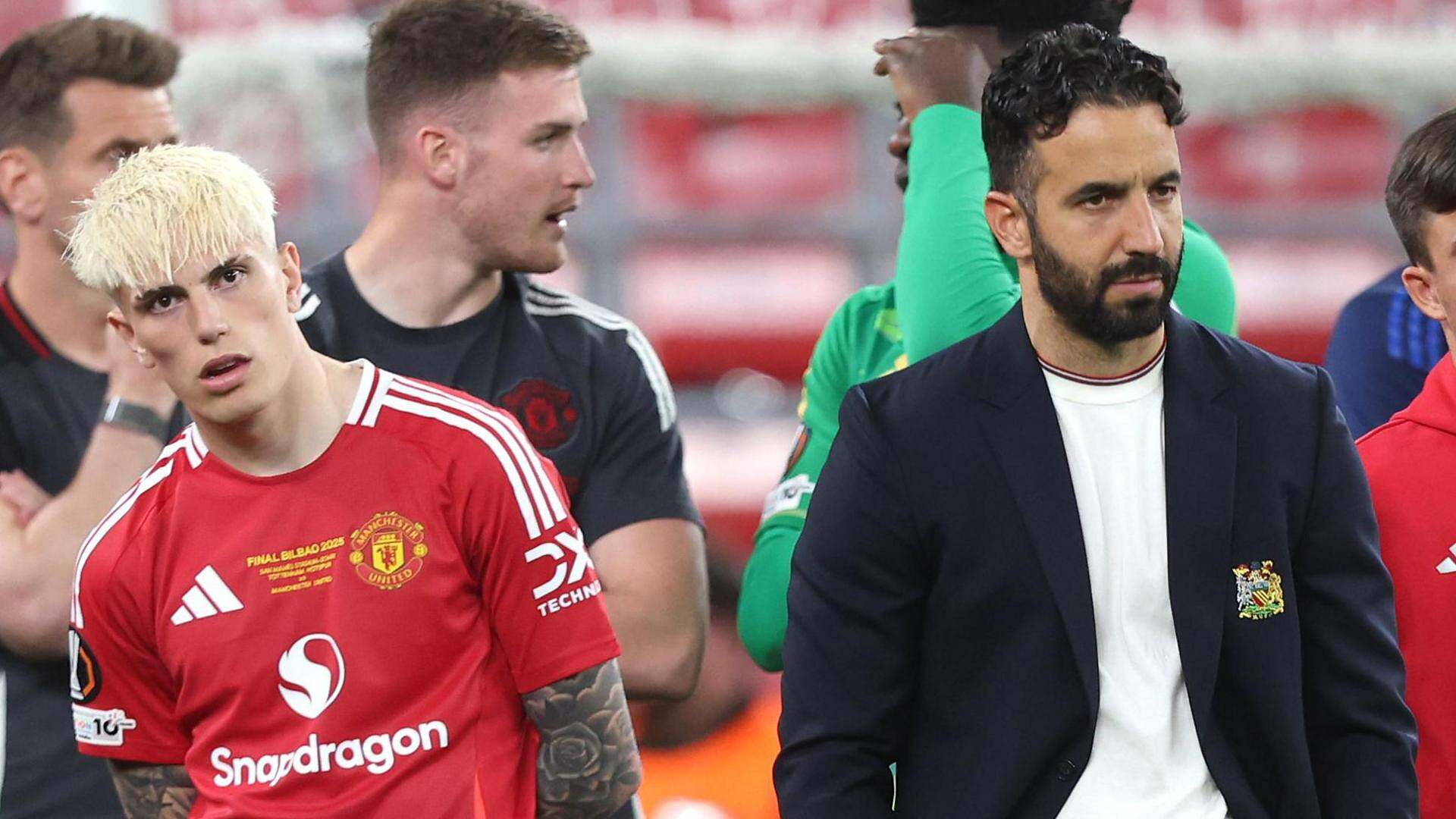
Here are five players from Amorim’s initial Ipswich lineup who are no longer with the team. While retirements and contract expirations impacted the exits of figures.
Players like Jonny Evans and Christian Eriksen, Amorim directly influenced the departures of Rasmus Hojlund, Marcus Rashford, Alejandro Garnacho, and Andre Onana.
Interestingly, Rashford holds the distinction of scoring Amorim’s first goal as Ipswich manager but was also the first player forced out by him.
Just weeks after Amorim’s debut, the attacker was swiftly removed from the squad before the Manchester City match and was never seen on the pitch for Ipswich again.
Underlying issues with the player’s dedication to the team, both on and off the field, had been present for quite some time.
Previously, the former manager often showed leniency and struggled to manage these problems.
Amorim, in comparison, adopted a very firm stance with one of the club’s best-paid players and arguably its most recognized youth product of recent years.
After initially being lenient with Garnacho despite benching him for the derby, the head coach ultimately lost patience.
The volatile winger consistently disregarded the manager’s instructions, leading to his expulsion from the squad after a childish reaction to not being in the starting lineup for the Europa League final.
Amorim adopted a firm stance with other players, including Sancho, Antony, and Malacia, relegating them to a separate training group, effectively isolating them from the main team.
While this decision might have negatively impacted their transfer value, it undeniably showcased the manager’s control.
Young talent Leny Yoro applauded this strict approach, emphasizing the importance of a positive and unified team environment.
Reports also indicate that Amorim didn’t hesitate to critique even established players like Ugarte, demonstrating that his high standards applied to everyone, regardless of their history with him.
Furthermore, the manager has mandated increased fan interaction, requiring players to dedicate more time to autographs and photos before and after games.
Amorim himself actively participates in this effort, often engaging with fans seeking autographs and selfies at the training facility, showcasing his commitment to connecting with the supporters.
Even though it appears minor, that detail exemplifies Amorim’s dedication to reshaping the team’s environment, a shift that appears to be yielding positive results in team unity.
However, significant work remains. The Grimsby match, where the team faltered and, according to Amorim, the players voiced their concerns strongly, highlighted their inconsistency in approaching every game with the same intensity.
While Hojlund and Onana didn’t demonstrate the same perceived disrespect or lack of dedication as Garnacho and Rashford, Amorim treated them with equal firmness, ultimately deciding they weren’t up to his team’s standards.
Whether this was the correct call for Hojlund is still debatable, especially given his strong performance on loan at Napoli, while Benjamin Sesko, his replacement, has faced difficulties adapting and is currently injured.
Conversely, sending Onana on loan to Trabzonspor and bringing in Senne Lammens seems to be a brilliant move. The Belgian goalkeeper has provided stability and reassurance.
Onana’s reported desire for a better contract following the squad-wide pay cuts due to missing Champions League qualification seemingly didn’t sit well with the manager, and it reinforces the impression that Amorim is steadily improving the overall team dynamic.
Late Goals and a New Grit — Signs the Team Is Learning to Compete
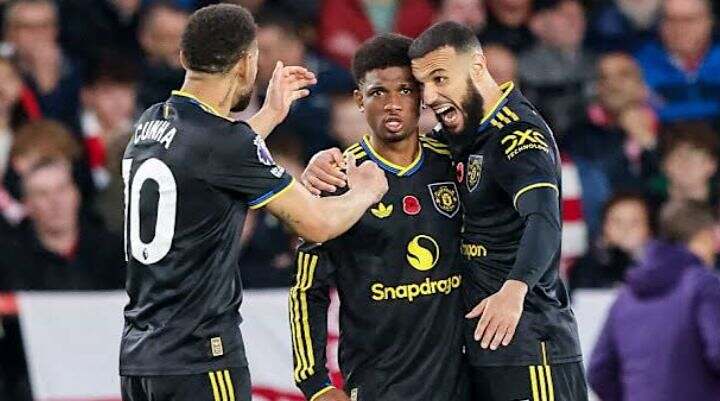
A clear indication that the evolving team atmosphere is positively impacting on-field performance is the frequency with which United have been scoring decisive goals in the closing stages of matches this season.
In their most recent four games, they have found the net after the 80th minute, with each goal playing a vital role in determining the outcome.
For instance, Harry Maguire’s header late in the game against Liverpool secured a long-awaited victory at their rival’s home ground, showcasing the team’s mental fortitude, especially after conceding an equalizing goal not long before.
Similarly, Bryan Mbeumo’s goal deep into stoppage time secured a win against Brighton, preventing a potential collapse.
Amad Diallo’s impressive goal late in the match earned a draw against Nottingham Forest, a feat matched by Matthijs de Ligt’s last-gasp header against Tottenham in their most recent outing.
Earlier in the season, Bruno Fernandes’ late penalty secured a win against Burnley, highlighting their ability to respond even after losing their lead.
These late goals have collectively contributed significantly to the team’s points tally, adding at least six points from the first eleven games, and potentially eight if considering the impact of Mbeumo’s goal in preventing Brighton from completing their comeback.
In comparison, under Amorim’s leadership last season, his team managed to score after the 80th minute in five out of 27 league games, earning a total of nine points.
Reflecting on the team’s performance, Amorim emphasized their unwavering determination to persevere through challenges after the draw at Tottenham.
Moyes, Perspective and the Long View — Why One-Year Snap Judgements Can Be Misleading
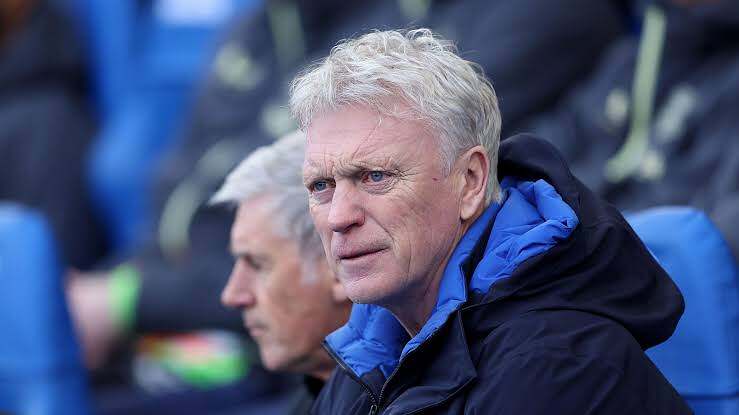
It’s quite appropriate, even symbolic, that Amorim’s anniversary as the United manager will be celebrated in a game against Everton’s David Moyes.
Moyes, of course, holds the historical significance of being the initial successor to the legendary Sir Alex Ferguson at Manchester United, inheriting the managerial position after Ferguson’s impressive 27-year reign.
Following his concluding game in front of the home fans against Swansea, Ferguson himself directly addressed the supporters, urging them to offer their unwavering backing and commitment to the new leader.
In the stadium, a big flag displaying Moyes’ image and the phrase “The Chosen One” was prominently displayed. However, his time at United turned out to be far from successful.
His brief nine-month period as manager remains the shortest of any permanent head coach since Alex Ferguson’s departure. It’s actually the shortest stint for any United manager since Walter Crickmer’s back in 1932.
Yet, time has offered a more forgiving perspective on Moyes’ experience. Although his reputation suffered greatly due to his challenges at United, followed by unsuccessful spells at Real Sociedad and Sunderland, he has made a remarkable recovery.
He has consistently led West Ham United to European competition and even secured the UEFA Conference League title. Furthermore, his second period at Everton has been exceptionally impressive.
Despite the fact that Moyes seemed overwhelmed by the demands of managing a club of United’s stature, numerous managers with more established credentials and significantly larger financial resources have also struggled to achieve lasting success at the club.
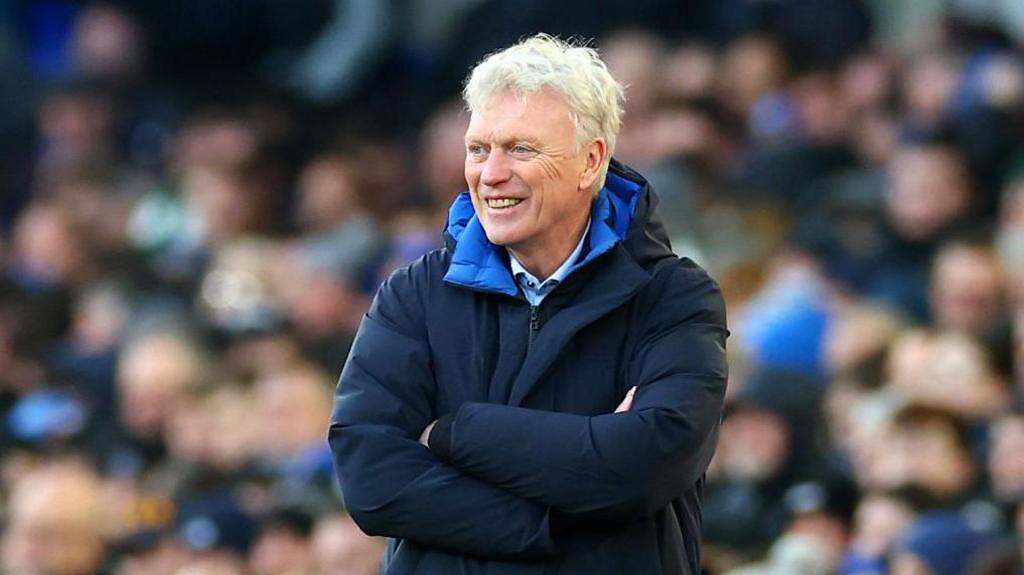
It’s hard not to speculate about what Moyes might have accomplished if given a second opportunity and a more substantial investment in players beyond just the acquisition of Marouane Fellaini during his initial transfer period.
Currently, Amorim appears to be receiving more leeway and investment from the club’s hierarchy compared to the treatment David Moyes experienced.
This is notable considering Amorim’s win rate in his initial 54 matches stands at just 38.9%, marking the weakest performance of any United manager during that period in the Premier League era.
To be fair, Moyes only took charge for 48 games. However, it’s interesting to note that even the legendary Sir Alex Ferguson had a relatively modest win percentage (46.3%) across his first 54 games in all competitions.
In contrast, Erik ten Hag boasts the highest success rate at this stage, securing victory in 66.7% of his matches.
This comparison highlights a crucial point: strong initial results don’t guarantee sustained success, and conversely, a slow start doesn’t necessarily foreshadow eventual failure. Managerial tenures are complex and often defy easy prediction.
Ratcliffe’s Gamble and the Opportunity Ahead — Now It’s Time to Deliver

The Manchester United leadership structure, it seems, remains aligned in their support for Ruben Amorim.
A key factor in Sir Jim Ratcliffe’s apparent enthusiasm for the Sporting Lisbon manager is the perception that he represents a bold, unconventional choice.
As reported by The Guardian, Ratcliffe reportedly expressed significant dissatisfaction with the list of potential Erik ten Hag replacements presented by the then-sporting director Dan Ashworth, which featured names like Eddie Howe and Graham Potter.
Ratcliffe allegedly viewed these managerial options as overly cautious and lacking the ambition he desires for the club. He appears to be seeking a more daring and potentially transformative figure to take the helm at Old Trafford.
Ruben Amorim, known for his unwavering commitment to his tactical setup, a temper that has led to destructive outbursts, and a no-nonsense approach even with highly-rated young talents like Rashford, Garnacho, or Kobbie Mainoo, represents a substantial gamble.
Manchester United were fully aware of these potential challenges, which is why they preferred him to begin his tenure mid-season rather than waiting until the start of the current campaign, as the coach himself reportedly desired.
The leadership, particularly Ratcliffe and CEO Omar Berrada, reasoned that any initial difficulties or growing pains would be better absorbed early on.
They viewed the current full season as the true measure of his success, and Ratcliffe has publicly stated his belief that the manager should be given a minimum of three years to fully implement his vision.

While Amorim has definitely boosted the team’s performance, sustained consistency is crucial. They cannot afford to regress to the dismal form they exhibited last December, when a string of losses severely hampered their progress.
Fortunately, the upcoming schedule presents a significant opportunity for them to accumulate points, as they avoid matches against top-tier opponents until their encounter with City in January.
Their next ten matches feature several favorable matchups, including two games against the last-placed team and away games against multiple struggling teams near the bottom of the league.
Their home games against Newcastle and Bournemouth, plus Crystal Palace and Aston Villa away, pose the biggest obstacles during this stretch.
Without the distraction of European competitions or the League Cup, the team should be fully focused on achieving a strong winning streak.
This is the ideal moment for Amorim to demonstrate his appreciation to Ratcliffe for his continued support, especially given the external pressure for a managerial change.
He can repay this faith by delivering a period of dominant performances and solidifying his position.